

Roughly one in five small businesses fail in the first year. By year five, half are gone. Even among those that endure those first sixty months, only a third make it beyond a decade. The 12 Fatal Issues for small businesses are the dirty dozen assassins living inside every organization, waiting for the right moment to expose what has been ignored.
From Survival to Scale
In Part 1, we examined the foundational issues—capitalization, cash flow, financial controls, and compliance—that most often trigger early collapse. These are survival issues: the disciplines required to keep the doors open and the lights on long enough to build momentum.
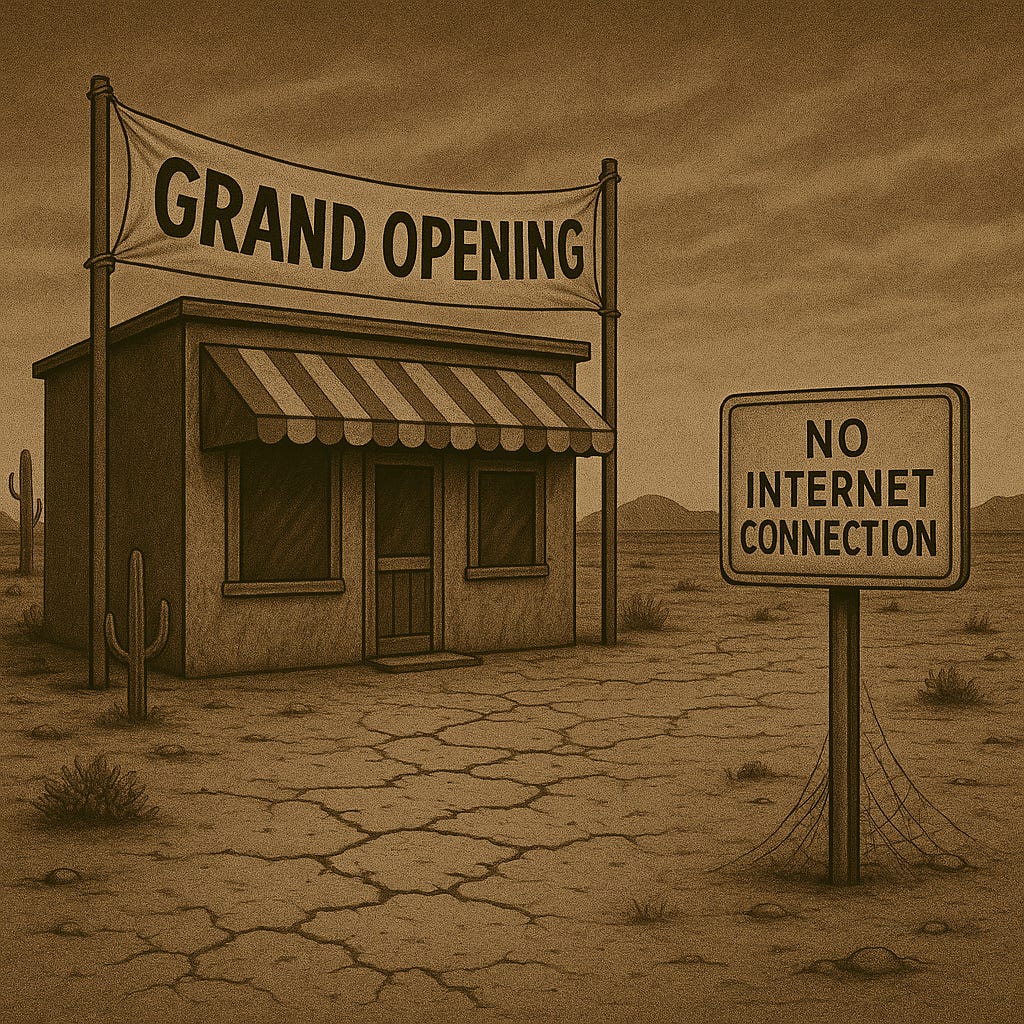
In Part 2, the focus shifts to the issues that keep businesses stuck in survival mode, unable to convert effort into scalability. These problems don’t stem from apathy or laziness but from misdirected energy—owners who stay busy yet make little measurable progress. Work is being done, but it isn’t compounding.
The next set of fatal issues are:
· Neglecting Customers: when existing relationships are taken for granted.
· Ineffective Marketing: when messaging fails to create visibility or demand.
· Poor Market Presence: when the business remains invisible or inaccessible to potential buyers.
· Client Overdependence: when concentration risk masquerades as stability.
These issues don’t just slow growth—they create structural fragility, leaving firms unable to withstand shocks or market shifts and ultimately resulting in missed opportunities for growth.
The 12 Fatal Issues are not theories. They are operational realities, drawn from lived experience, data, and patterns that repeat across industries and ownership models. They rarely appear alone; rather they build on one another, compounding until the enterprise falters.
Behind every fatal issue are preventable mistakes. Too many businesses rely on effort instead of structure—on the founder’s endurance instead of systems. Short-term fixes hide deeper weaknesses until those weaknesses define the company itself.
This isn’t a checklist of minor errors. It’s a framework for recognizing and addressing the forces that undermine survival and succession. Once identified, each can be countered through deliberate systems—systems that determine whether a business endures or unravels.
With that foundation, we return to the list—to examine the next set of fatal issues that quietly stall growth and weaken the path from survival to scale.
5. Neglecting Customers
No small business owner wakes up one morning and decides today is the day they’ll stop caring about customers. Neglect is not intentional—it’s a consequence of survival. The early pressure to generate revenue creates a constant hunt for new sales, and attention shifts toward acquisition while existing clients receive less time and focus.
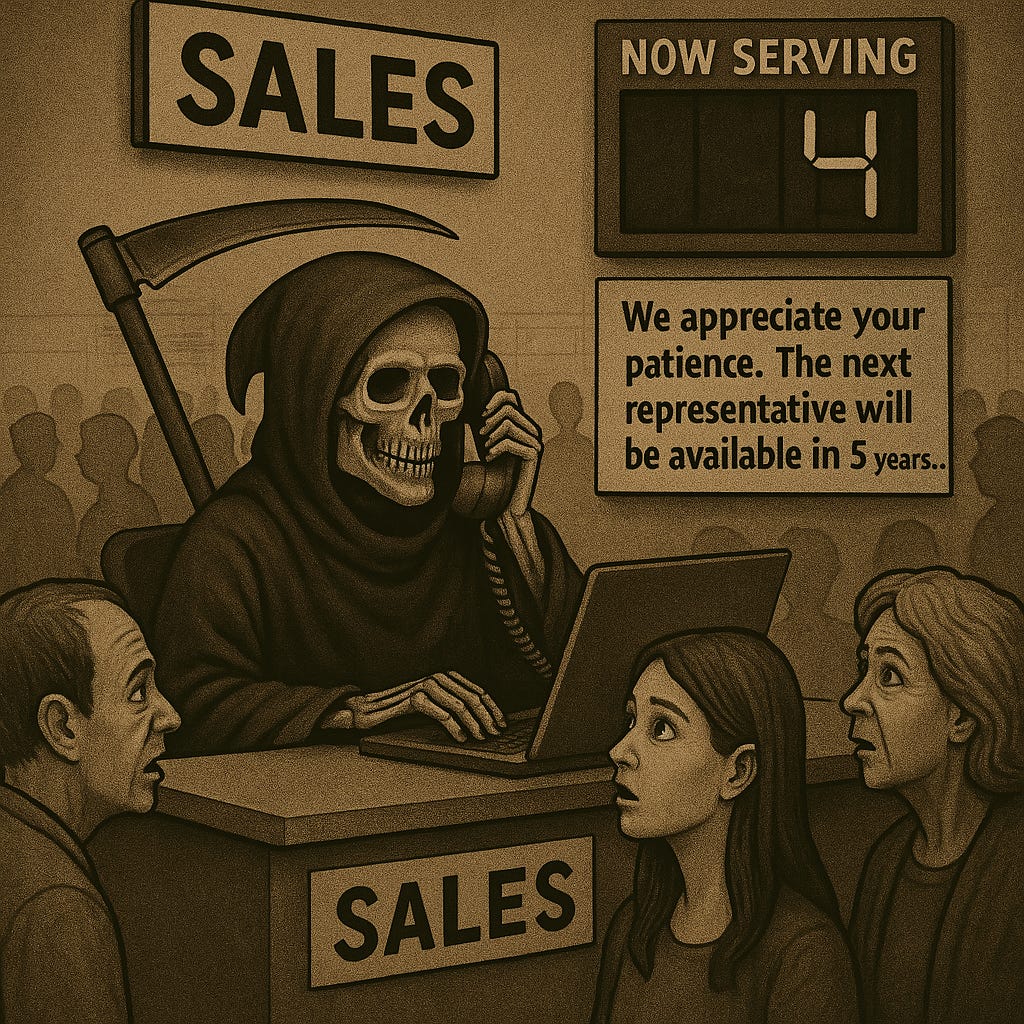
What begins as a temporary imbalance slowly develops into a habit. The owner assumes existing customers are satisfied and loyal, even as service standards slip. Avoidance plays a role too. Many owners sidestep difficult conversations about performance or pricing because they fear confrontation or churn. The result is the same: problems that could have been fixed early are ignored until it’s too late.
Customer neglect erodes margin in two directions. Dissatisfied clients stop buying, and the cost of replacing them with new ones rises. Each lost customer increases the workload required just to maintain the same level of revenue. Eventually, growth stalls—not because demand is gone, but because attention is misdirected.
Why it matters:
51% of customer emails to small businesses go unanswered.[i]
77% of customers abandon purchases due to poor service.[ii]
A 5% increase in retention can raise profits by 25–95%.[iii]
6. Ineffective Marketing
A great product that no one knows about is indistinguishable from a bad product. Ineffective marketing isn’t simply the absence of advertising; it’s the absence of clarity. Most small businesses don’t fail because their service is poor—they fail because the market never clearly understood what they offered, who it was for, or why it mattered.
Visibility without relevance is noise. Owners often mistake activity for strategy—printing business cards, posting online, or attending networking events—believing that showing up equals marketing. But showing up isn’t enough. Marketing is about being remembered, and for the right reasons.
When budgets tighten, marketing is usually the first line item cut, justified as “non-essential.” In truth, that cut severs the lifeline to future revenue. A quiet business doesn’t stay stable; it fades. Consistent, disciplined marketing keeps opportunity flowing and reputation alive.
Marketing isn’t vanity. It’s infrastructure. It connects what you do to the people who need it most. Done well, it builds trust long before the first conversation. Done poorly—or ignored—it leaves your business invisible.
Why it matters:
63% of small businesses cite lead generation as their biggest challenge.[iv]
47% of small firms underspend on marketing.[v]
Companies prioritizing digital marketing triple their revenue growth rate.[vi]

7. Poor Market Presence
Marketing creates interest; presence makes access possible. A business can have a strong message yet still lose customers if prospects can’t find or reach it easily. Location, accessibility, and digital visibility determine whether awareness converts into action.
Discovery now happens in seconds. Customers search, check reviews, confirm hours, and make quick judgments about whether a business is credible and convenient. If your website loads slowly, your address is unclear, or your Google profile is inaccurate, the opportunity is lost before contact is ever made.
Physical presence matters just as much. A cluttered storefront, hidden office, or poor signage quietly signals neglect. Even perception becomes risk—being next to the wrong neighbor or presenting an outdated environment can erode trust before you ever meet the customer.
Maintaining presence isn’t about polish—it’s about precision. Access must be simple, information must be current, and first impressions must be consistent. Every small detail—a wrong phone number, broken link, or missing photo—creates friction that drives potential buyers elsewhere.
Why it matters:
76% of local searches lead to a store visit within 24 hours; 28% result in purchase.[vii]
98% of consumers searched online for a local business last year.[viii]
27% of small businesses still don’t have a website.[ix]
8. Client Overdependence
Client overdependence is the illusion of security. A company appears stable when one or two customers supply most of its revenue, but that stability is concentration risk disguised as success. Lose one of those accounts and the entire structure can collapse.
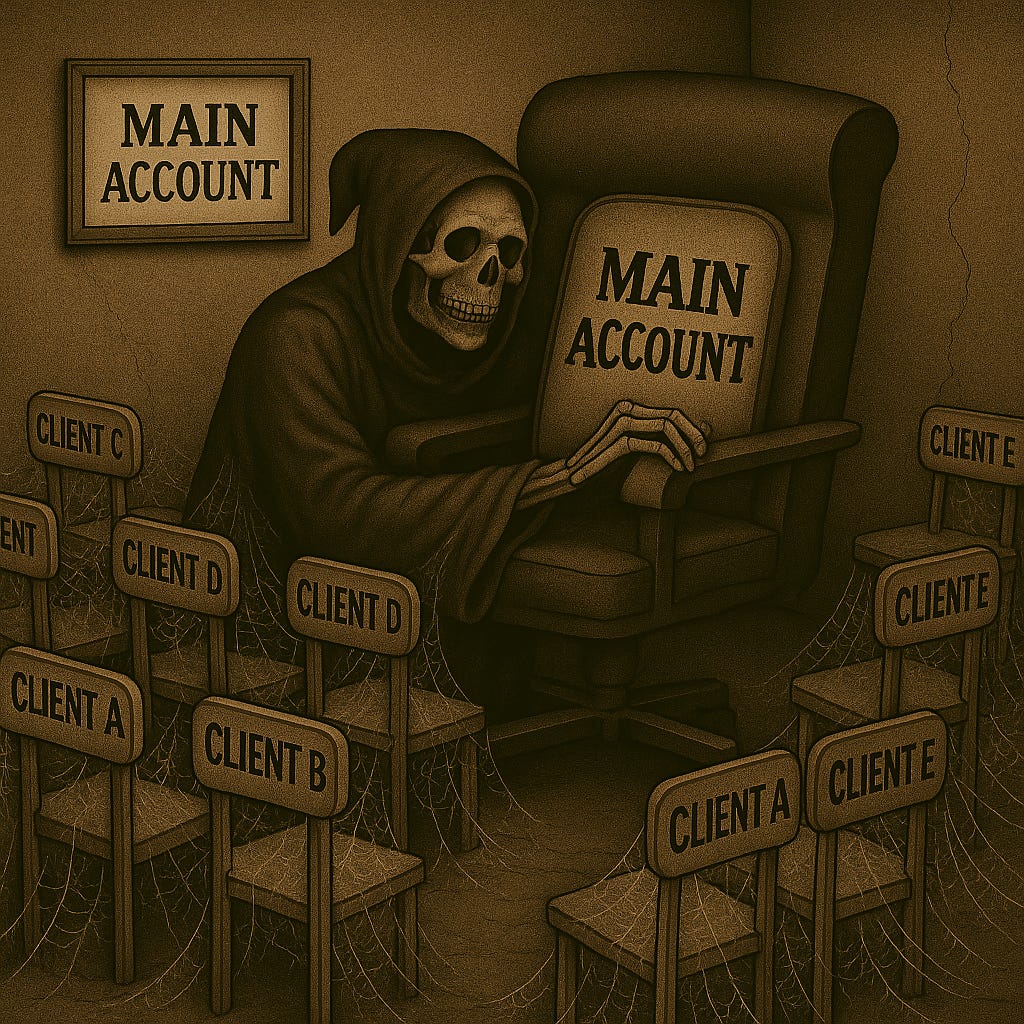
Dependence often feels justified: the client pays on time, provides steady work, and “feels like a partner.” Yet all it takes is a merger, a leadership change, or a budget shift beyond your control to end the relationship overnight. The problem isn’t loyalty; it’s exposure.
Over-reliance also weakens pricing power. When a single customer represents 40 % or more of total revenue, negotiation stops being equal. The vendor accepts lower margins, faster timelines, and scope creep to preserve the account. Over time, the business becomes a department of someone else’s company, not an independent firm.
Diversification restores leverage and resilience. A broader client base allows you to say no, maintain standards, and plan with confidence. It’s not about abandoning what works—it’s about ensuring that no single client determines your fate.
Why it matters:
44% of small businesses rely on one or two clients for the majority of revenue.[x]
Lack of diversification is a leading reason small businesses fail.[xi]
Customer concentration leads to valuation discounts and heightened risk in securing funding.[xii]
Reflection: When the Market Stops Noticing
The first set of fatal issues were survival—capital, cash flow, controls, and compliance. They threatened survival from within.
The second set threatens the framework that allows a business to scale. These are the cracks the market sees first: neglected customers, unclear marketing, weak presence, and dependence on a single client or sector.
Most businesses don’t collapse from one defining event. They erode as relevance fades and the market’s attention shifts elsewhere. Leads slow. Referrals decline. The business becomes harder to find and easier to replace.
At this stage, effort no longer equals progress. The owner is still busy, but the work is misaligned with what the market now values. Systems built for survival cannot sustain growth. What began as small lapses—neglect, weak messaging, or client dependence—eventually undermines the organization’s stability.
When the market stops noticing, momentum stops with it. Recovery requires more than visibility; it demands rebuilding trust, re-establishing differentiation, and restoring balance between acquisition and retention.
Looking Ahead: From Fragility to Failure
Part 3 examines the final four fatal issues—the people and leadership failures that determine whether a business can outgrow its founder and sustain its legacy.
These are the issues that end not just companies, but continuity:
• No Strategic Plan: Aimless growth without a roadmap.
• HR Problems: Hiring missteps and lack of staff development.
• Failure to Evolve: Ignoring industry or consumer shifts.
• Incompetent Management: Leadership that lacks skill or adaptability.
If Parts 1 and 2 focused on the systems that enable survival and scale, Part 3 focuses on the leadership capacity that determines endurance. These final issues reveal what happens when structure exists without vision and when management fails to keep pace with the organization it built.
They are the cracks that appear last—but when they do, they leave little to rebuild from.
[i] Conversational. (2025). Small business email response study.
[ii] Help Scout. (2025). Customer service and retention survey.
[iii] Reichheld, F., & Sasser, W. (2000). Zero defections: Quality comes to services. Harvard Business Review.
[iv] HubSpot. (2024). State of marketing report.
[v] U.S. Small Business Administration. (2023). Calculate your startup costs.
[vi] Forbes. (2013, 2023, 2024). Small business and diversification studies.
[vii] Google / Search Engine Journal. (2023). Local search impact study.
[viii] BrightLocal. (2023). Consumer review survey.
[ix] PR Newswire. (2022). Small business website adoption report.
[x] U.S. Small Business Administration. (2023). Calculate your startup costs.
[xi] Forbes. (2013, 2023, 2024). Small business and diversification studies.
[xii] Investopedia. (2024). Small business survival rates.